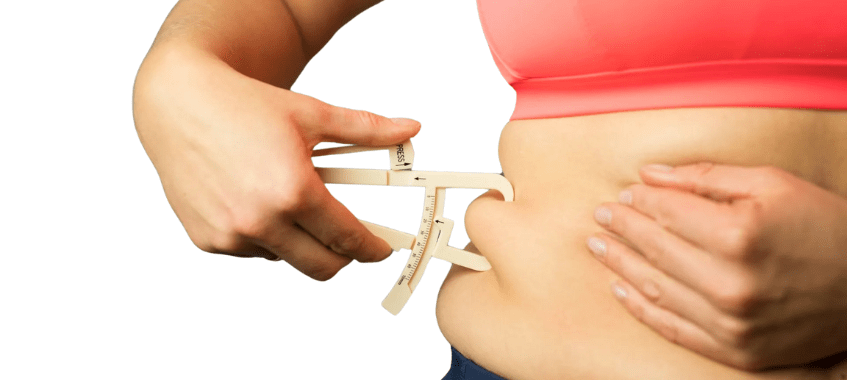
Liposuction (Fat Removal Surgery)
Liposuction (fat removal surgery) is a body contouring procedure that aims to surgically remove fat tissue that accumulates in certain areas of the body and does not decrease enough despite diet and exercise. It can be applied especially to the abdomen, waist, hips, flanks, thighs, back and arms.
Liposuction is not a weight loss or obesity treatment method. Its main purpose is to make the body contour more balanced by reducing localized fat deposits. The results of the surgery can vary according to the person’s skin elasticity, fat distribution, general health and lifestyle.
Common Misconceptions About Liposuction
One of the most common misconceptions about liposuction is that the procedure is performed directly for slimming. In fact, liposuction is an aesthetic surgical method that reduces fat cells in specific areas of the body.
Because fat tissue is removed during surgery, a certain decrease in body weight can be seen. However, this change is not the same as the results a comprehensive weight loss program would provide.
Another misconception is that you will not gain weight again after liposuction. The number of fat cells in the treated areas decreases; however, the remaining fat cells can grow with weight gain. Fat can also accumulate in other areas of the body.
Liposuction is also not a procedure that completely eliminates cellulite or skin sagging. In people with insufficient skin elasticity, sagging can become more noticeable after fat tissue is removed.
For this reason, evaluating the body structure before surgery and forming realistic expectations is important.
Who Is Suitable for Liposuction?
Liposuction can be a suitable option for adults who are in good general health and who have localized excess fat in certain areas of their bodies.
People whose weight is relatively stable, who have sufficient skin elasticity and who are bothered by fat deposits in certain areas despite diet and exercise can be evaluated for surgery.
Skin elasticity is one of the important factors affecting liposuction results. After fat tissue is removed, the skin is expected to adapt to the new body contour. In people with marked skin laxity, liposuction alone may not be enough.
Before surgery, factors such as chronic diseases, medications used, previous surgical procedures and body mass index are evaluated.
Uncontrolled diabetes, serious heart and lung diseases, clotting disorders or health problems that affect wound healing can increase surgical risks.
Liposuction is not a substitute for obesity treatment. In people who need to lose a significant amount of weight, appropriate weight management methods may first need to be evaluated.
How Is Liposuction Performed?
Liposuction surgery is planned by evaluating the patient’s body structure and local fat distribution.
At the preliminary examination, the areas from which fat is to be removed are determined. Skin elasticity, the amount of existing fat tissue and the patient’s general health are examined.
Before surgery, the necessary blood tests and an anesthesia assessment may be performed. Smoking, regularly used medications and existing health problems should be shared with the surgeon.
Performing the Surgery
During liposuction, small incisions are made in the areas from which fat will be removed. Through thin cannulas placed through these incisions, fat tissue is removed in a controlled way.
Before the procedure, a special fluid that helps reduce bleeding and makes it easier to remove fat tissue is generally applied. This method is called the tumescent technique.
Different techniques such as classic vacuum-assisted liposuction, power-assisted liposuction or ultrasound-assisted methods can be used to remove fat tissue.
The method to be chosen is determined according to the area to be treated, the characteristics of the fat tissue and the surgeon’s evaluation.
Anesthesia in Liposuction Surgery
Local anesthesia can be applied in small and limited areas. For procedures performed on wider areas, general anesthesia or, in suitable patients, sedation can be preferred.
The duration of the surgery varies depending on the number of areas from which fat will be removed and the scope of the procedure. While limited procedures take less time, operations involving several areas can last a few hours.
Risks and Complications of Liposuction Surgery
Because liposuction is a procedure that requires surgical intervention, it carries certain risks. The likelihood of complications can vary according to the patient’s general health, the amount of fat removed and the technique applied.
Bleeding and infection are among the complications that can be encountered after liposuction.
Seroma is a collection of fluid under the skin in the treated area. In some patients, the collected fluid may need to be drained medically.
Irregularities on the skin surface and asymmetry can arise as a result of fat tissue being removed in different amounts or the skin not adapting sufficiently to the new contour.
Skin laxity and sagging can become more noticeable, especially in people with low skin elasticity.
Sensory changes can be seen as temporary or longer-lasting numbness in the treated areas.
Fat embolism and thromboembolic complications are among the rare but serious risks. Situations such as vessel involvement or clot formation can be life-threatening.
In addition, fluid-electrolyte imbalances, anesthesia-related complications and, rarely, internal organ injuries are also among the possible risks of liposuction surgery.
If symptoms such as sudden shortness of breath, chest pain, fainting or marked swelling in one leg develop after surgery, urgent medical evaluation is needed.
Recovery After Liposuction
After liposuction surgery, swelling, bruising, mild pain and tenderness can be seen. These symptoms are generally more noticeable in the first days and decrease over time.
The recovery time varies according to the number of areas treated and the amount of fat removed.
Using a Compression Garment
After surgery, a special corset or compression garment may need to be worn for the period recommended by the doctor.
These garments can help control swelling and support the treated area.
The duration of corset use is determined according to the surgical technique applied and the patient’s healing characteristics.
Returning to Physical Activities
Resting in the first days is important. However, starting short walks at the time the doctor considers appropriate can support blood circulation and help reduce the risk of clot formation due to immobility.
Many patients can return to light daily activities within a few days to 1–2 weeks. However, people who work in physically demanding jobs may need a longer rest.
Approval from the surgeon should be obtained before returning to heavy exercise, intense sports and movements that will strain the treated areas.
Nutrition and Wound Care
Getting enough protein, eating a balanced diet and drinking adequate fluids during the recovery period can support overall healing.
Because smoking can negatively affect wound healing, avoiding smoking before and after surgery is recommended.
Care of the surgical incisions, dressings and medication use should be carried out according to the doctor’s instructions.
At follow-up examinations, the swelling, wound healing and changes in the body contour are evaluated.
When Do Liposuction Results Become Clear?
Right after liposuction, a certain change in appearance can be noticed because of the reduction in fat tissue. However, because of post-operative edema, the final results cannot be fully evaluated at first.
The swelling starts to decrease in the first weeks. The changes in body contour generally become more apparent within a few months.
In many patients, the results can be evaluated within about 3–6 months. However, depending on skin structure and the scope of the procedure, complete healing can take longer.
Fat cells removed during liposuction do not regenerate. However, the remaining fat cells can grow with weight gain.
For this reason, maintaining body weight after surgery is important for the achieved contour to last a long time.
Frequently Asked Questions About Liposuction
Does liposuction make you lose weight?
Because fat tissue is removed during liposuction, there can be a certain amount of weight loss. However, the procedure is not performed as an obesity treatment or for comprehensive weight loss. Its main goal is to shape the body contour.
Does fat come back after liposuction?
Yes. Although the number of fat cells decreases in the treated areas, the remaining cells can grow with weight gain. Fat can also accumulate in other areas of the body.
When can I return to work after liposuction?
The time to return to work varies according to the number of areas treated and the physical demands of the job. People who work at a desk can return to work within a few days to about a week, while those in physically demanding jobs may need a longer time.
Is liposuction surgery painful?
Because the surgery is performed under anesthesia, pain is controlled during the procedure. After surgery, mild or moderate pain, tenderness and a feeling of tightness can be seen. These symptoms can generally be managed with the medications recommended by the doctor.
Does liposuction remove cellulite?
Liposuction is not performed to treat cellulite. In some patients a change in the appearance of cellulite can occur, but this effect is unpredictable. In some cases, irregularities on the skin surface can even become more noticeable.
Are liposuction results permanent?
The fat cells removed with the procedure are permanently eliminated. However, aging, weight changes and reduced skin elasticity can affect the appearance of the body over time.
Conclusion
Liposuction (fat removal surgery) is an aesthetic surgical procedure performed to reduce fat deposits that persist in certain areas despite diet and exercise and to reshape the body contour.
Liposuction is not a slimming method. The results of the surgery vary depending on the person’s body structure, skin elasticity and lifestyle.
Before deciding on the procedure, it is important for a plastic surgery specialist to evaluate your general health, the current fat distribution, surgical risks and personal expectations.