Breast Fat Injection (Fat Transfer)
Breast fat injection is an aesthetic surgical procedure performed by transferring fat tissue taken from a person’s own body to the breast area. Also called breast fat transfer or autologous fat injection, this method is applied to increase breast volume, correct certain contour irregularities and create a more balanced appearance between the breasts.
The procedure generally uses fat tissue harvested by liposuction from areas such as the abdomen, waist, hips or thighs. In this way, while the contour changes in the areas where fat is removed, the aim is to increase volume in the breasts.
Breast fat injection can be an option for people who do not want to use implants and who want a limited volume increase. However, because not all of the transferred fat cells are permanent, the results can vary from person to person.
What Is Breast Fat Injection?
Breast fat injection is the transfer of fat tissue taken from different areas of the body to the breast area after it has gone through special processing.
Because the patient’s own fat cells are used in this method, no silicone implant or other foreign filler material is needed.
Some of the transferred fat cells can stay viable in the new area and adapt to the breast tissue. Some are absorbed by the body during the recovery process.
The main goal of fat injection is to create a fuller and more balanced appearance by providing a controlled volume increase in the breasts.
What Purposes Is Breast Fat Transfer Used For?
Breast fat injection can be considered for different aesthetic and reconstructive needs.
- Increasing breast volume: Providing limited enlargement in small breasts or breasts that have lost volume.
- Correcting breast asymmetry: Reducing the volume difference between the two breasts.
- Eliminating contour irregularities: Correcting certain depressions or lack of volume in the breast tissue.
- Shaping around the implant: Reducing the visibility of the implant edges in suitable patients.
- Breast reconstruction: Helping to correct volume deficiencies or tissue irregularities after some breast surgeries.
The amount of fat to be applied is determined according to the existing breast structure and the safe volume the tissues can accept.
Who Is Breast Fat Injection Suitable For?
Breast fat transfer can be considered in people who want a limited increase in breast volume and who have enough fat tissue in their bodies for transfer.
It can be especially suitable for patients who do not want to use silicone implants, who want a more natural breast contour and who do not expect a large volume increase.
In evaluating suitability for surgery, general health, existing breast tissue, skin elasticity and the amount of tissue in the areas where fat can be harvested are taken into account.
In people with a very low body fat percentage, there may not be enough fat tissue for transfer.
In patients with marked breast sagging, fat injection alone may not be enough. In these cases, different surgical methods such as a breast lift can be considered.
In addition, a detailed evaluation before the procedure is important in patients with a history of breast cancer, or with a suspicious mass or imaging findings in the breast.
Smoking, chronic diseases that are not under control and health problems affecting wound healing should also be taken into account in surgical planning.
How Is Breast Fat Injection Performed?
Breast fat injection is planned by evaluating the patient’s general health and breast anatomy.
The procedure basically consists of the stages of harvesting, preparing and transferring the fat tissue to the breasts.
Harvesting the Fat Tissue
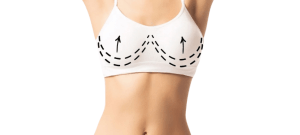
In the first stage, fat tissue is harvested by liposuction from suitable areas such as the abdomen, waist, hips or thighs.
The areas from which fat will be harvested are determined according to the patient’s body structure and the amount of fat needed for transfer.
During the procedure, care is taken to preserve the fat cells as much as possible.
Preparing the Fat Tissue
The harvested fat tissue goes through special processing to make it suitable for transfer.
At this stage, excess fluid, blood and unwanted components can be separated.
The preparation method can vary according to the surgical technique used and the surgeon’s preference.
Transferring the Fat to the Breast Area
The prepared fat tissue is transferred in small amounts to the suitable tissue layers in the breast area with the help of thin cannulas.
Distributing the fat in a controlled and balanced way aims to support the transferred cells being nourished by the surrounding tissues and staying viable.
The amount of fat that can be transferred in a single session is related to the characteristics of the breast tissue and safe surgical limits.
For this reason, more than one application can be needed in some patients who want a large volume increase.
Anesthesia and Duration of Surgery
Breast fat injection can be performed under general anesthesia or, in suitable patients, under local anesthesia and sedation, depending on the scope of the procedure.
The duration of the operation varies according to the number of areas from which fat will be harvested and the amount of fat to be transferred to the breasts.
After surgery, some patients can be discharged on the same day, while in some cases a longer observation period may be needed.
Advantages of Breast Fat Injection
One of the important features of breast fat transfer is that the volume increase is achieved with the person’s own tissue.
Using natural tissue allows breast volume to be increased without placing a foreign implant. Because the person’s own fat cells are used, the risk of allergic reactions caused by foreign filler materials is low.
A natural look and softness are among the advantages that can be achieved in suitable patients. Distributing the fat tissue around the breast in a controlled way can contribute to a more balanced breast contour.
Reshaping the body contour is another advantage of the procedure. Regional thinning can be achieved in the areas where fat is harvested, such as the abdomen, waist or thighs.
Correcting limited asymmetries can be possible, especially in people with a slight volume difference between the breasts.
Not requiring an implant means that problems such as implant-related capsular contracture, implant rupture or implant replacement do not apply.
However, breast fat injection also carries surgical risks and the same level of volume increase cannot be achieved in every patient.
Recovery After Breast Fat Injection
After breast fat transfer, swelling, bruising, tenderness and mild pain can be seen both in the areas where fat was harvested and in the breasts.
These symptoms are generally more noticeable in the first days and decrease as recovery progresses.
What to Pay Attention to in the First Days
After surgery, it is important to use the medications recommended by the doctor and follow the wound care instructions.
Excessive pressure should not be applied to the breast area where the transfer was done. Especially in the early period, tight clothing, intense massage and applications that the surgeon does not consider appropriate may need to be avoided.
In the areas where fat was harvested, a compression garment may be requested according to the doctor’s recommendation.
Because smoking can negatively affect tissue blood supply and wound healing, avoiding smoking before and after surgery is recommended.
Returning to Daily Life
Many patients can return to light daily activities within a few days to 1–2 weeks.
However, the recovery time can be longer in people who work in physically demanding jobs or in operations where fat is harvested from large areas.
Approval from the surgeon should be obtained before returning to heavy exercise, intense sports and movements that put pressure on the surgical areas.
Follow-Up Examinations
At post-operative check-ups, the breast volume, the healing of the areas where fat was harvested and possible complications are evaluated.
The doctor should be contacted in situations such as newly developing firmness in the breasts, marked pain, redness or unusual swelling.
Risks and Complications of Breast Fat Injection
Although breast fat injection is a procedure that uses a person’s own tissue, it is not completely risk-free.
Bleeding and infection are among the complications that can be seen both in the areas where fat is harvested and in the breasts.
Fat necrosis can develop as a result of some of the transferred fat cells losing their viability. This can cause firmness, nodules or masses in the breast.
Fat cysts and calcifications can occur as a result of changes in the fat tissue. These formations can be noticed on breast imaging examinations and in some cases may require additional evaluation.
Asymmetry and contour irregularities can develop as a result of the transferred fat taking at different rates.
Volume loss can be seen because some of the fat cells are absorbed by the body. In some patients an additional application may be needed to reach the desired size.
Irregularity in the liposuction area can appear as depressions, asymmetry or skin laxity in the areas where fat was harvested.
In addition, there are risks such as anesthesia-related complications, clot formation and, rarely, vascular or tissue injuries.
Fat necrosis and calcifications that can occur after breast fat injection need to be taken into account in future breast imaging examinations. For this reason, it is important for patients to share their procedure history with radiology and breast health specialists.
When Do Breast Fat Injection Results Become Clear?
An increase in volume can be seen in the breasts right after breast fat transfer. However, part of this appearance is caused by swelling after surgery.
While the swelling decreases in the first weeks, some of the transferred fat cells can also be absorbed by the body.
For this reason, the breast volume right after surgery may not be the same as the final result.
A more reliable evaluation of the results is generally possible within 3–6 months. However, complete healing of the tissues can vary from person to person.
How much of the transferred fat will be permanent depends on variables such as the technique used, the patient’s tissue characteristics and metabolic factors.
Fat cells that stay viable can provide a long-term volume increase. However, weight changes, pregnancy and the aging process can affect the appearance of the breast over time.
Differences Between Breast Fat Injection and Silicone Implants
Breast fat injection and silicone implants are two different surgical methods used to increase breast volume.
In breast fat injection, fat tissue taken from the person’s own body is used. This method is generally considered in people who want a limited volume increase.
With silicone implants, a more marked and predictable volume increase can be achieved by placing a prosthesis in the breast tissue.
In fat injection, the predictability of the results in terms of volume can be limited because some of the transferred fat is absorbed.
Implants, on the other hand, have their own particular risks such as capsular contracture, implant rupture and the need for long-term follow-up or additional surgery.
Fat injection alone does not correct marked breast sagging. Similarly, placing a silicone implant may not be enough to eliminate sagging in every patient.
Which method is suitable is determined according to the patient’s existing breast structure and aesthetic expectations.
Frequently Asked Questions About Breast Fat Injection
Is breast fat injection permanent?
Some of the transferred fat is absorbed by the body over time. However, fat cells that stay viable in the new area can provide a long-term volume increase. The permanence of the results depends on personal characteristics.
How much enlargement can be achieved with breast fat injection?
The volume increase to be achieved varies according to the existing breast tissue, the amount of fat that can be transferred and the rate at which the fat cells take. In general, more limited enlargement is achieved compared with silicone implants.
Is a repeat procedure needed after breast fat injection?
In some patients, an additional application can be needed because part of the transferred fat is absorbed. Whether a second procedure is needed is evaluated after recovery is complete.
Does breast fat injection leave a scar?
Small incisions are made during fat harvesting and fat transfer. The scars from these incisions are generally limited, but it is not a completely scarless procedure.
Can you breastfeed after breast fat injection?
Breast fat injection is generally performed with the aim of preserving the structures that provide milk production. However, as with every surgical intervention, the possible effects of procedures on the breast tissue on breastfeeding capacity should be evaluated before surgery.
Does breast fat injection cause breast cancer?
Current clinical data do not show that properly performed breast fat transfer causes breast cancer. However, imaging findings such as fat necrosis or calcification can develop after the procedure. For this reason, it is important to continue routine breast screenings and share the procedure history with the relevant specialists.
Conclusion
Breast fat injection (fat transfer) is an aesthetic surgical procedure that aims to provide volume increase and contour adjustment by transferring fat tissue taken from a person’s own body to the breasts.
It can be considered especially in people who do not want to use silicone implants and who aim for a limited volume increase. However, because some of the transferred fat can be absorbed over time, the results can vary from person to person.
Before deciding on surgery, it is important for a plastic surgery specialist to evaluate in detail the existing breast structure, general health condition, the areas from which fat can be harvested, possible complications and personal expectations.