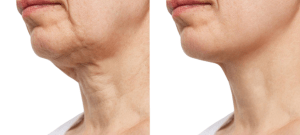
Deep Plane Facelift Surgery
Time is the greatest enemy of our skin. Signs of aging are an uncomfortable reality for most people. Deep plane facelift surgery stands out as an effective way to turn back this process. This method offered by aesthetic surgery can create important changes not only in outward appearance but also psychologically. So, who should consider this surgery?
Providing information about deep plane facelift surgery is a big step for potential candidates. Facelift candidates are generally looking for a younger and more dynamic appearance. However, this process is not only an aesthetic choice; it also offers a transformation that increases self-confidence and allows people to be more active in social life. In the rest of this article, we will explore the details of this surgery and who can benefit from this method. If you are ready, let’s set out on the journey of facial rejuvenation together!
What Is Deep Plane Facelift Surgery?
Deep plane facelift surgery is a surgical technique that focuses on the deep tissues beneath the skin. This method aims to reduce the signs of aging by tightening the lower layers of the face. In this procedure, which offers more lasting results than other facelift methods, significant effects are observed especially in the jawline and cheek areas. The surgeon repositions the muscles and connective tissues beneath the skin, defining the facial contours and achieving a younger look.
Compared with other facelift methods, one of the biggest advantages of deep plane facelift surgery is that it is less invasive. While traditional methods generally only tighten the surface of the skin, deep plane techniques target the structures beneath the skin. This provides a more natural appearance and helps speed up recovery. For example, patients who have only had a skin lift may have a “pulled” look on their faces, while this can be avoided with the deep plane method.
The surgical process is usually performed under general anesthesia and takes 3–5 hours on average. After surgery, patients usually stay in the hospital for a few days, and the recovery process can vary between 2 and 3 weeks. Swelling and bruising in the first few days are normal; however, these symptoms decrease over time. After recovery, patients can clearly see the aesthetic benefits. For this reason, anyone who wants to learn more about deep plane facelift surgery is advised to have a detailed assessment with their surgeon.
Who Is It Suitable For?
Deep plane facelift surgery is generally recommended for individuals aged 40 and over. In this age group, skin elasticity begins to decrease and facial features begin to lose definition. This kind of intervention is considered especially when the skin starts to sag and the signs of aging become visible. However, age alone is not a sufficient criterion; the condition of the skin also plays an important role. For example, factors such as sun damage or smoking can negatively affect skin health, which can affect the results of surgery.
General health and medical history are other critical factors that determine suitability for deep plane facelift surgery. Conditions such as heart disease, diabetes or blood clotting problems can increase surgical risks. For this reason, the current state of health should be evaluated in detail at the first consultation with the aesthetic surgeon. In a healthy individual, recovery is faster and smoother, while the risk of complications can be higher in people with certain health problems.
Individuals’ expectations and aesthetic goals are also an important factor. Setting clear and realistic goals before surgery increases patient satisfaction. For example, some individuals only want to reduce the noticeable signs of aging on their faces, while others may want to achieve a younger and more dynamic appearance. However, the results of facial rejuvenation procedures vary from person to person. For this reason, it is very important for patients to share their expectations openly with their surgeons and to communicate well during this process. In this way, both sides can have a shared understanding of how the process will progress, and possible disappointment after surgery can be minimized.
Aesthetic Benefits
Deep plane facelift surgery offers an effective solution for those who want to combat age-related changes. By markedly reducing signs of aging such as sagging, deepening lines and volume loss in the face, this surgery helps individuals achieve a younger and more dynamic appearance. For example, many people who have had this operation report that their facial features become more defined and the jawline becomes smoother. This increases not only aesthetics but also the person’s self-confidence.
The results obtained after surgery often lead to positive changes in patients’ social lives as well. For many people, a younger appearance can be the key to creating a better image in work life or social settings. Research on deep plane facelift surgery shows that such cosmetic procedures also have positive effects on people’s mood. After aesthetic changes, people can feel more energetic and vibrant.
More defined facial features not only beautify the outward appearance but also enrich the emotional experiences a person has. For example, fuller cheekbones and a firm jawline give individuals a healthier and more lively expression. This leads to them attracting more attention in social interactions and receiving more positive feedback. As a result, deep plane facelift surgery is an important intervention that improves individuals’ quality of life along with its aesthetic benefits.
Possible Risks and Complications
Although deep plane facelift surgery provides important aesthetic benefits, it also involves some possible side effects and complications. The most common side effects after surgery include swelling, bruising and mild pain. These are generally temporary and decrease during recovery. However, more serious complications can occur in some patients. Conditions such as the risk of infection, problems at the suture sites or asymmetry are among the issues to watch for after surgery. For this reason, the surgeon’s experience and the patient’s individual condition are of great importance during patient evaluations.
Long-term risks should also be taken into consideration. For example, the loss of skin elasticity over time or the continuation of the aging process can affect how long the results last. In addition, conditions such as nerve damage or loss of sensation can rarely occur in some patients. To minimize all these risks, it is necessary to carry out a detailed evaluation before surgery and carefully examine the patient’s medical history. In addition, open communication with the surgeon is very valuable for being informed about possible complications.
Another step to reduce risks is to follow the surgeon’s recommendations fully. Paying attention to the doctor’s advice in the post-operative care process can speed up recovery and reduce the risk of complications. For example, lifestyle changes such as taking care to rest during recovery, quitting smoking or limiting alcohol consumption both improve general health and help preserve the aesthetic results. It should not be forgotten that every surgical intervention carries certain risks; therefore, with the right information and preparation, these risks can be minimized.
Preparation Process Before Surgery
Deep plane facelift surgery, as an aesthetic intervention, requires an important decision-making process. This process begins with the consultation and evaluation stages. First, the patient’s expectations and what they expect from surgery should be expressed clearly. The specialist doctor evaluates the patient’s facial structure and skin condition and creates the most suitable surgical plan. At this stage, it is critically important for the patient to give detailed information about any health problems or previous surgeries.
There are also some tests and examinations that need to be done before surgery. Various medical evaluations such as blood tests and cardiovascular examinations are performed to understand general health and skin structure. These tests are necessary to prevent possible complications and to ensure the surgery is carried out safely. For example, in a patient with a blood clotting disorder, it should be taken into account that this can affect the surgical intervention.
Psychological preparation is also an important part of the surgical process. Patients managing their aesthetic goals and expectations plays a critical role in preventing disappointment after surgery. The surgeon should help patients prepare mentally for this process by presenting realistic results. For example, giving information about how the results of a deep plane facelift can change over time or about the expected recovery time will reduce the anxieties that may form in patients’ minds.
As a result, the preparation process is very important for making an informed decision about deep plane facelift surgery. Starting from the consultation stage, carrying out the necessary tests and ensuring psychological preparation are of great importance for achieving a successful result. Every step taken in this process will contribute to patients having the best experience both physically and emotionally.
Post-Operative Care
The recovery process after deep plane facelift surgery is critically important for the success of the operation and the durability of the results. After surgery, it is a great necessity for patients to follow their surgeons’ advice. In the first days, swelling, bruising and mild pain can be experienced in the facial area. These are normal; however, it is important for patients to take care to rest and to apply the recommended cold compresses to manage these symptoms. During recovery, it will also be helpful to avoid sudden movements and keep the head elevated.
The doctor’s recommendations are one of the most important parts of post-operative care. Patients are generally called in for check-ups at certain intervals. These appointments are necessary for the surgeon to evaluate the recovery process and check whether there are any complications. In addition, regularly using the medications recommended by your doctor and following antibiotic treatment when necessary reduces the risk of infection. In the post-operative period, staying away from sun rays and choosing skin care products carefully are also important to protect the face.
To preserve the results, patients need to pay attention to their lifestyle. A healthy diet, adequate water intake and regular exercise increase skin elasticity and support the recovery process. Smokers are advised to quit smoking in the post-operative period, because smoking can delay recovery by negatively affecting blood circulation. In addition, doing exercises that strengthen the facial muscles is also beneficial for achieving long-term results. All these measures contribute to making the advantages offered by aesthetic surgery lasting.
Good Communication with the Aesthetic Surgeon
Before deciding on deep plane facelift surgery, it is extremely important to have open and clear communication with your aesthetic surgeon. When expressing your expectations, you should state in detail what results you hope for, the changes you want to see in your face and what you expect from this process. For example, if you are targeting a specific area to achieve a younger look, you should explain this clearly to your surgeon. This kind of clarity will help the surgeon create the most suitable treatment plan for you.
Asking questions is one of the cornerstones of doctor–patient communication. Do not hesitate to ask about the surgical process, possible complications and recovery time. For example, questions such as “What kind of activities should I avoid during recovery?” or “When will the results become clear after surgery?” will inform you about how the process will progress and ease your concerns. Your surgeon’s answers both give you confidence and help you feel more comfortable at every stage of the process.
There are a few criteria to pay attention to when choosing a surgeon. First of all, the surgeon’s area of expertise and experience are very important; for this reason, you can ask for references and information about the results of operations they have performed before. In addition, the surgeon’s communication style with patients should also be taken into account. A surgeon who can empathize with you and takes your concerns seriously can make the surgical process less stressful. Finally, the hygiene standards and equipment of the hospital or clinic environment are also important factors to consider.
These communication steps will help you feel safer during the deep plane facelift process and contribute to reaching your aesthetic goals. Remember that effective communication with the right surgeon is essential for a successful result.
Conclusion
Deep plane facelift surgery holds an important place in the field of aesthetic surgery. This surgery offers an effective option for those who want to reduce the signs of aging and achieve a younger and more dynamic appearance. However, it may not be suitable for everyone. Factors such as general health, age range and skin structure are elements that people considering this surgery should evaluate.
For this reason, before applying for deep plane facelift surgery, you should clearly determine your individual expectations and goals. The individual effects of aesthetic surgery can be significant. Making the right choices allows you to achieve satisfying results both physically and psychologically. Remember that aesthetic surgery can affect not only your outward appearance but also your self-confidence. For this reason, it is important to make your decision carefully.