Tummy Tuck Surgery (Abdominoplasty)
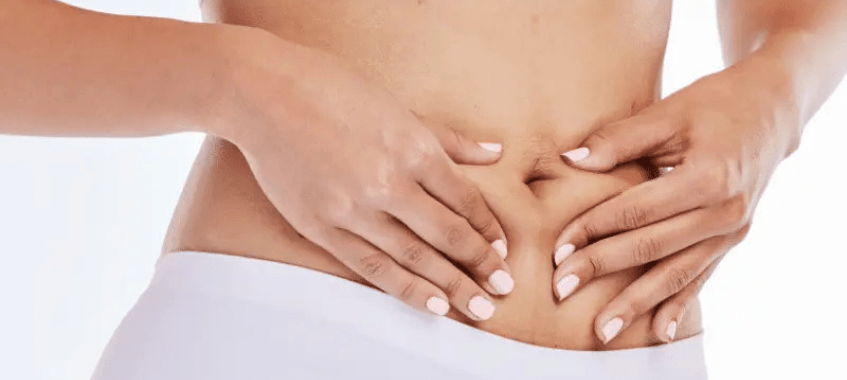
Tummy tuck surgery (abdominoplasty) is an aesthetic surgical procedure performed to remove excess skin and fat tissue in the abdominal area and, when necessary, to correct looseness in the abdominal wall. It is preferred especially for removing skin sagging that appears after pregnancy, marked weight loss and aging.
Abdominoplasty is not a weight loss surgery. Its main purpose is to reduce excess skin that cannot be eliminated with diet and exercise and to reshape the appearance of the abdominal area. In suitable patients, the separation of the abdominal muscles at the midline can also be corrected surgically.
What Is Tummy Tuck Surgery?
Tummy tuck surgery is a surgical method that aims to achieve a flatter and firmer abdominal appearance by removing sagging skin and excess fat tissue in the abdominal area.
During pregnancy, the abdominal skin and abdominal wall can stretch significantly. After childbirth, in some people the skin may not return to its former firmness and separation of the abdominal muscles at the midline (diastasis recti) can occur.
Similarly, after losing a lot of weight, skin sagging can form in the abdominal area. Such excess skin often cannot be eliminated with exercise and diet alone.
The technique to be applied in tummy tuck surgery is determined according to the amount of excess skin, the condition of the abdominal wall and the patient’s anatomical features.
Full Tummy Tuck (Full Abdominoplasty)
Full tummy tuck surgery can be preferred in people with marked excess skin in the abdominal area.
During the procedure, a horizontal incision is generally made in the lower abdomen, extending between the two hip bones. Excess skin and fat tissue are removed. When necessary, the muscle separation in the abdominal wall is repaired.
The belly button may need to be repositioned to suit the new position of the skin. In this way, the aim is to create a more balanced look over the whole abdominal area.
Mini Tummy Tuck (Mini Abdominoplasty)
A mini tummy tuck can be considered especially in people with limited excess skin below the belly button.
It is generally applied with a shorter incision than a full tummy tuck, and the area intervened on is more limited. In most patients the belly button does not need to be repositioned.
However, a mini tummy tuck may not be enough for people with marked sagging over the whole abdominal area.
Tummy Tuck Combined with Liposuction
In some patients, tummy tuck surgery can be planned together with liposuction.
While liposuction reduces localized fat deposits around the abdomen and waist, the tummy tuck is applied to remove excess skin and, when necessary, to repair the abdominal wall.
Whether it is suitable to perform the two procedures together is determined by evaluating the patient’s general health and surgical risks.
Who Is Suitable for Tummy Tuck Surgery?
Tummy tuck surgery can be a suitable option especially for people with marked skin sagging in the abdominal area or looseness in the abdominal wall.
People who have experienced changes in the abdominal area after pregnancy can consider the surgery because of reduced skin elasticity and separation of the abdominal muscles.
In people who have lost a large amount of weight, excess skin can remain despite the decrease in fat tissue. In this case, a tummy tuck can help remove the sagging tissue.
People who have excess skin in the abdominal area and whose weight is stable are among the other candidates who can be evaluated for surgery.
It is important to be in good general health before surgery. Factors such as uncontrolled diabetes, serious heart or lung diseases, clotting disorders and smoking can increase surgical risks.
Postponing surgery may be recommended for people who plan to become pregnant soon or who aim to lose a significant amount of weight, because pregnancy and marked weight changes can affect the surgical results.
The suitability assessment is made as a result of a detailed examination by a specialist in plastic, reconstructive and aesthetic surgery.
How Is Tummy Tuck Surgery Performed?
Tummy tuck surgery is planned by evaluating the patient’s health history and abdominal anatomy.
Before surgery, the amount of excess skin, the condition of the abdominal muscles, existing scars and the distribution of fat tissue are examined. The necessary blood tests and an anesthesia assessment are performed.
Because smoking can negatively affect wound healing, avoiding smoking before and after surgery is recommended. Regularly used medications and existing diseases must be shared with the surgeon.
Stages of the Surgery
Tummy tuck surgery is mostly performed under general anesthesia.
The surgeon makes an incision in the lower abdomen according to the method to be applied. While excess skin and fat tissue are removed, the muscle separation in the abdominal wall is repaired with sutures when necessary.
In full tummy tuck surgeries, the belly button may need to be repositioned. The skin is then placed appropriately and the incisions are closed.
In some patients, temporary drains can be used to remove fluid that may collect in the surgical area.
The operation generally takes 2–4 hours, although the duration can vary according to the scope of the surgery and additional procedures.
Hospital Stay After Surgery
After tummy tuck surgery, the patient is kept under observation for a certain period.
The length of the hospital stay varies according to the technique applied, the patient’s general health and post-operative recovery. In some patients one or several nights in the hospital may be necessary.
The patient is given the necessary information about pain control, wound care and early mobilization after surgery.
Tummy Tuck Results and Expectations
After tummy tuck surgery, the aim is to obtain a flatter and firmer appearance by removing excess skin and fat tissue in the abdominal area.
Skin sagging in the lower abdomen in particular can be reduced markedly. Some stretch marks on the skin removed during the surgery can also be eliminated with this procedure.
However, tummy tuck surgery does not remove all stretch marks. Stretch marks located in areas of skin that are not removed can continue after surgery.
In patients with separation of the abdominal muscles at the midline, the repair performed can help the abdominal wall look smoother.
In the first weeks after surgery, the final appearance cannot be fully evaluated because of swelling and edema. It can take several months for the results to become more apparent.
Tummy tuck surgery leaves a permanent surgical scar in the lower abdomen. The length and visibility of this scar vary depending on the technique applied and the person’s wound healing characteristics.
The results of the surgery can be maintained for a long time. However, marked weight changes, new pregnancies and the aging process can affect the appearance of the abdominal area over time.
Recovery After Tummy Tuck Surgery
The recovery process after tummy tuck surgery varies according to the surgical technique applied and the patient’s general health.
In the first days, pain, swelling, tightness and restricted movement can be seen in the abdominal area. It is important to use the pain medications recommended by the doctor and follow the wound care instructions.
After surgery, it may be necessary to walk slightly bent forward or rest for a certain period. This can help reduce the tension in the abdominal area.
What to Pay Attention to in the First Weeks
In the first weeks, avoiding heavy lifting, movements that strain the abdominal muscles and intense exercise is recommended.
However, it is important to start short walks at the time the doctor considers appropriate. Early and controlled mobilization can support blood circulation and help reduce the risk of clot formation due to immobility.
After surgery, a special corset or compression garment may need to be used according to the surgeon’s recommendation.
Keeping the wound area clean, doing the dressings as recommended and not missing follow-up appointments are important.
Returning to Daily Life
Many patients can return to light daily activities within a few weeks. However, the time of return to work and to normal physical activities varies according to the scope of the surgery and the physical demands of the job.
A longer recovery period is generally needed for activities such as intense exercise and heavy lifting.
It can take months for the swelling in the abdominal area to disappear completely and for the surgical scars to mature. It is important to continue doctor check-ups during this process.
Possible Risks and Complications of Tummy Tuck Surgery
Like other major surgical interventions, tummy tuck surgery carries certain risks.
Bleeding and hematoma are among the complications that can occur after surgery. In some cases, additional intervention may be needed to drain the collected blood.
Infection and wound healing problems can become more significant, especially in people who smoke or who have chronic diseases that are not under control.
Seroma is a collection of fluid under the skin in the surgical area. In some patients this fluid may need to be drained medically.
Deep vein thrombosis and pulmonary embolism are among the serious complications of tummy tuck surgery. Clots formed in the leg veins reaching the lungs can be life-threatening. For this reason, the risk of clotting is evaluated before surgery and appropriate protective measures are planned.
Sensory changes can be seen as numbness or reduced sensation, especially in the lower abdomen. These changes can continue for a long time in some patients.
Circulation problems in the skin or fat tissue can cause delayed wound healing or tissue loss.
In addition, a noticeable scar, irregularity in the abdominal contour, asymmetry and anesthesia-related complications are also among the possible risks.
If symptoms such as sudden shortness of breath, chest pain, or marked swelling or pain in one leg develop after surgery, urgent medical evaluation is needed.
Tummy Tuck Surgery Prices
The price of tummy tuck surgery can vary according to the technique to be applied, the scope of the procedure, the surgeon’s experience and the healthcare facility where the surgery will be performed.
There can be cost differences between a full tummy tuck, a mini tummy tuck or applications combined with liposuction.
The duration of the surgery, anesthesia services, the length of hospital stay and the medical materials to be used can also affect the total cost.
Tummy tuck surgeries performed for aesthetic purposes are generally not covered by standard health insurance. However, some cases that carry a medical necessity can be evaluated differently according to the policy conditions.
When researching prices, you should find out which services are included in the surgery fee. Items such as anesthesia, hospital stay, post-operative corset, medications and follow-up examinations can affect the total cost.
The exact price information should be obtained from the relevant healthcare facility after the patient has been examined and the appropriate surgical plan has been determined.
Conclusion
Tummy tuck surgery (abdominoplasty) is an aesthetic surgical procedure performed to remove excess skin and fat tissue in the abdominal area and, when necessary, to correct the muscle separation in the abdominal wall.
It can help remove skin sagging that occurs especially after pregnancy or marked weight loss. However, a tummy tuck is not a weight loss method, and the results of the surgery vary according to the person’s anatomical features, health condition and lifestyle.
Before deciding on surgery, it is important for an experienced plastic surgeon to evaluate the surgical techniques that can be applied, possible complications and the recovery process.