Lower Facelift
The aging process is an inevitable reality for many people. However, the skin sagging and wrinkles it brings can now be managed with the solutions offered by aesthetic surgery. Lower facelift surgery has become an important option especially for those seeking rejuvenation in the jawline and cheek areas. This operation not only improves outward appearance but also increases the person’s self-confidence.
There are many details people wonder about regarding the lower facelift. Who is suitable for this surgery? What can be expected after the procedure? Finding the answers to all these questions is a critical step for adults considering aesthetic surgery. For beauty enthusiasts and those looking for anti-aging solutions, the lower facelift makes even more sense with the right information. Now, let’s dive into the details of this surgery and help you make informed decisions on your aesthetic journey.
What Is a Lower Facelift?
A lower facelift is a cosmetic surgical procedure performed to correct sagging in the chin, neck and cheek areas located in the lower part of the face. This procedure is preferred to minimize the effects of the aging process and to make the facial contours more defined. In particular, skin and fat tissue that sag over time because of lost elasticity and the effect of gravity can be bothersome for many people. Having information about the lower facelift can help you make informed decisions in this process.
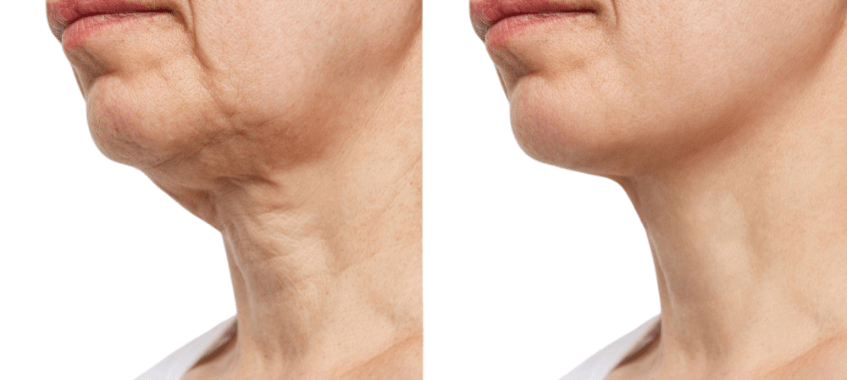
The main purpose of the procedure is to eliminate sagging and looseness in the lower part of the face. With a lower facelift, the jawline becomes more clearly defined, while excess tissue in the neck area is also removed to achieve a younger look. Such anti-aging procedures not only provide an aesthetic change but also contribute to the person being more active in social life by increasing self-confidence. Experts state that the physical changes provided by such surgeries also have positive psychological effects.
Its effect on the signs of aging is quite remarkable. The decrease in collagen production in the skin, loss of elasticity and changes in facial structure can negatively affect people’s outward appearance. A lower facelift reduces the appearance of these signs and provides a younger look. For example, a person in their 50s can feel rejuvenated not only physically but also mentally with a lower facelift. For this reason, lower facelift surgery has become an important option among anti-aging solutions for adults considering aesthetic surgery.
How Is a Lower Facelift Performed?
Lower facelift surgery, as an important branch of aesthetic surgery, helps patients realize their rejuvenation wishes. The first stage of this process is the preparation before surgery. Patients should have a comprehensive consultation with their surgeons and openly share their medical history. At this stage, expectations and goals regarding facial aesthetics are determined. In addition, some medical tests may be done in line with the surgeon’s recommendations. Patients who smoke are advised to quit at least a few weeks before surgery so as not to negatively affect the recovery process.
During the surgery, the surgeon uses special techniques to remove excess skin and fat tissue in the lower face. Starting generally with incisions made behind the ear or in the scalp, the tissues beneath the skin are reached. During the procedure, the facial muscles are also tightened to achieve a younger look. This stage usually takes between 2 and 4 hours and can be customized according to each patient’s needs. After surgery, patients are advised to rest for a few days and keep their heads elevated.
Types of anesthesia are also an important part of the surgery. Although general anesthesia is usually preferred in lower facelift surgery, a combination of local anesthesia and sedation can also be used in some cases. The type of anesthesia may vary depending on the patient’s health and the surgeon’s recommendations. The recovery process differs from patient to patient; however, most patients can return to their daily activities within the first week. While it takes a few weeks for swelling and bruising on the face to subside, the final results usually appear in three to six months. It is important for patients to attend regular doctor check-ups during this process.
Who Is Suitable for a Lower Facelift?
Lower facelift surgery is an effective solution for correcting sagging in the chin and neck area, one of the areas where signs of aging are most noticeable. However, it is important to understand the characteristics of suitable candidates before deciding on this surgery. Individuals aged 40 and over are generally among the suitable candidates for a lower facelift, as they begin to lose skin elasticity. However, those who experience sagging at a young age should also consider this procedure because of genetic factors or rapid weight loss.
The health status of suitable candidates is also an important criterion. Individuals with serious health problems such as heart disease, diabetes or blood clotting disorders need a comprehensive evaluation with their doctors before having a lower facelift. In addition, the recovery process can be more challenging for smokers; therefore, quitting smoking before surgery is recommended. Patient experiences help in better understanding the risks and potential complications in this process, especially in terms of medical history.
Expectations after surgery are also very important. After a lower facelift, patients generally experience a noticeable sense of rejuvenation and facelift results are often satisfying. However, temporary side effects such as swelling or bruising can be seen in some people. These conditions usually pass within a few weeks. Patients should follow their doctors’ recommendations and not skip regular check-ups to increase the durability of the results. It should not be forgotten that every person’s body structure and recovery process are different; therefore, it is important for personal expectations to be realistic.
Results of a Lower Facelift
A lower facelift is an important step for many people in regaining a youthful appearance. After surgery, patients generally have a tighter and smoother jawline and notice a marked reduction in double chin and facial sagging. These results can vary depending on the effectiveness of the surgical techniques; however, in general, patients feel younger and more dynamic. While swelling and bruising may be seen in the first few weeks, these symptoms pass over time and the results become more apparent.
Although the recovery process varies from patient to patient, it is generally possible to return to daily activities within 1–2 weeks. However, it is important to follow the doctor’s recommendations and not skip regular check-ups during this time. In post-operative care, taking simple but effective measures such as sun protection, proper nutrition and adequate fluid intake speeds up the recovery process. In addition, regularly using the medications recommended by the doctor and being careful with physical activities are critical for the durability of the result.
In terms of long-term effects, a lower facelift offers lasting results. However, because the aging process continues, a decrease in skin elasticity and new sagging can occur over time. For this reason, it is recommended that patients adopt a healthy lifestyle after the surgical procedure, take regular skin care and, when necessary, turn to additional aesthetic treatments. In this way, the youthful appearance achieved can be maintained and patients can feel younger for a long time. The right choices made in the post-operative period provide a positive experience both physically and psychologically.
Alternative Methods
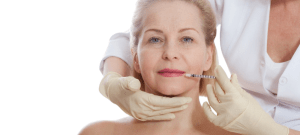
Today, in addition to surgical methods such as the lower facelift, there are also many non-surgical alternatives. These methods offer less invasive options and generally shorter recovery times for people who want to address aesthetic concerns. For example, facial fillers made with filler materials (such as hyaluronic acid) are injected under the skin to add volume and fill noticeable wrinkles. While this method provides instant results, its effect generally lasts 6–12 months. In addition, Botox applications are often preferred to reduce fine lines in the skin; this procedure works by temporarily paralyzing the facial muscles.
Another alternative method is skin tightening procedures using radiofrequency and ultrasound technologies. These techniques reach the deep layers of the skin to increase collagen production and restore skin elasticity. Although these non-surgical methods generally require multiple sessions, they offer a less risky option for patients and a more comfortable one in terms of recovery. However, such applications generally cannot give the lasting results provided by a lower facelift; therefore, it is important for patients to manage their expectations well.
When deciding which method to choose, patients’ ages, skin types and personal expectations should be taken into consideration. Young people in particular can turn to skin care with non-surgical methods while the signs of aging are not yet obvious; for individuals in older age groups, more lasting solutions such as a lower facelift may be needed. In addition, talking with an aesthetic surgeon or a dermatologist to get detailed information about the potential side effects and results of both methods is very useful for making an informed decision. Having information about the lower facelift will help you determine which option is best for you.
Frequently Asked Questions
One of the most frequently asked questions about lower facelift surgery is the safety of the operation and its possible side effects. Generally, this type of surgery is quite safe when performed by an experienced plastic surgeon. However, as with every surgical procedure, there are risks such as infection, bleeding or anesthesia-related complications. Patients should discuss these risks in detail with their doctors before surgery and openly share their medical history. In this way, necessary precautions can be taken to prevent possible problems.
The recovery process is also among the topics patients frequently ask about. Mild swelling and bruising can be seen for a few days after surgery, and this is completely normal. However, how long these symptoms last can vary from person to person. Generally, patients can return to their daily activities within 1–2 weeks, while the full recovery process is completed in 4–6 weeks. During this process, it is extremely important for patients to follow their doctors’ recommendations and attend their check-ups.
In addition, one of the things people most wonder about the lower facelift is when the results will be seen. As swelling decreases in the first few weeks, the facial contours become more defined. However, the final results generally appear fully within 3–6 months. Patients should be patient and remember that the results will develop over time. The appearance achieved after a lower facelift can provide long-lasting effects; therefore, it is also important to continue healthy lifestyle habits after the surgery.
Conclusion and Future Perspectives
Lower facelift surgery is an effective way to reduce the signs of aging on your face. This procedure offers both aesthetic and psychological benefits. The results of the surgery generally meet patients’ expectations and increase their self-confidence. However, making an informed decision in this process is extremely important.
Coming to final thoughts on aesthetic surgery, every person’s needs and goals are different. While researching the lower facelift, evaluate all your options. Compare surgical and non-surgical alternatives. Remember that having the right information and communicating with a specialist physician is the key to a successful result. In the future, by making informed choices for a healthy and youthful appearance, you can find the method that suits you best.