Facial Fat Transfer
Facial fat transfer is an aesthetic surgical procedure in which fat tissue taken from the person’s own body is injected into areas of the face that have lost volume. Also called facial fat injection or autologous fat transfer, this method is used especially to restore volume lost with aging, to define the facial contours and to correct some asymmetries.
Because the patient’s own fat tissue is used, no foreign filler materials are needed. While some of the transferred fat cells are absorbed by the body over time, the cells that survive and adapt to the new area can create a long-lasting increase in volume. However, the results obtained vary depending on the technique used and the person’s tissue characteristics.
What Is Facial Fat Transfer?
Facial fat transfer is the process of taking fat tissue from areas of the body such as the abdomen, waist, hips or thighs, processing it, and transferring it to specific areas of the face.
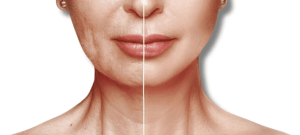
As we age, the decrease of fat tissue in the face can lead to volume loss in the cheeks, hollowing under the eyes and more pronounced facial lines. Fat transfer aims to restore the missing volume in these areas.
Since the person’s own tissue is used, the risk of allergic reactions to foreign materials is very low. However, because the procedure involves surgical intervention, it is not entirely risk-free.
Which Areas of the Face Can Fat Transfer Be Applied To?
Facial fat transfer can be applied to different anatomical areas:
- Cheeks: Restoring lost volume and supporting the midface.
- Cheekbones: Enhancing the definition of the facial contour.
- Under the eyes: Reducing hollowness and volume deficiency in suitable patients.
- Temples: Correcting age-related volume loss.
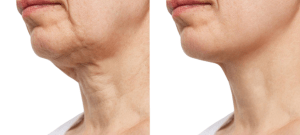
- Jawline: Correcting contour irregularities and volume deficiency.
- Lips: Providing an increase in volume.
- Nasolabial area: Reducing volume loss around the lines that run from the side of the nose to the corner of the mouth.
The areas to be treated and the amount of fat to be transferred are determined according to the patient’s facial anatomy. In delicate areas such as the eye area in particular, the procedure must be planned carefully because of anatomical risks.
How Is Facial Fat Transfer Performed?
The facial fat transfer procedure begins with an assessment of the patient’s general health and facial anatomy. During the examination, the areas with volume loss are identified and a treatment plan is prepared in line with the patient’s expectations.
The procedure basically consists of three stages: harvesting the fat, preparing it and transferring it to the target area.
Harvesting the Fat Tissue
In the first stage, fat tissue is harvested by liposuction from a suitable area such as the abdomen, waist, hips or thighs.
The donor area is chosen according to the patient’s body structure and the amount of fat needed. During the procedure, care is taken to preserve the fat cells as much as possible.
Preparing the Fat Tissue
The harvested fat tissue goes through special processing to make it suitable for transfer.
At this stage, blood, excess fluid and unwanted components can be separated. The preparation method used may vary according to the surgeon’s preference and the technique to be applied.
Injecting the Fat into the Face
The prepared fat tissue is transferred in controlled amounts, with the help of thin cannulas, to the areas of the face where volume is to be increased.
Placing the fat in small amounts at different tissue levels aims to help the transferred cells receive blood supply from the surrounding tissues and stay viable.
The procedure can usually be performed under local anesthesia and, when necessary, sedation. General anesthesia may be preferred for more extensive applications.
The total duration of the operation varies depending on the number of donor areas and the amount of fat to be transferred to the face.
When Is Facial Fat Transfer Preferred?
Facial fat transfer is preferred especially to restore volume loss in the face and to reshape the facial contour.
Age-Related Volume Loss
With age, fat tissue in certain areas of the face can decrease or shift. This can make the cheeks look more hollow, reduce volume in the temples and make the transitions around the under-eye area more pronounced.
In suitable patients, fat transfer can help restore the volume lost in these areas.
Defining the Facial Contours
Fat transfer to areas such as the cheeks, cheekbones and jawline can contribute to reshaping the facial contour.
The aim is to create a more balanced appearance while preserving the natural anatomy of the face.
Correcting Facial Asymmetry
Volume differences between the two sides of the face can occur because of congenital anatomical differences, trauma or previous surgeries.
In suitable patients, the appearance of asymmetry can be reduced by treating areas with volume deficiency using fat transfer. However, a completely symmetrical result cannot be guaranteed.
Benefits of Facial Fat Transfer
One of the important advantages of facial fat transfer is that the volume enhancement is done with the patient’s own tissue.
Using natural tissue makes it possible to add volume without the need for foreign filler materials. Because the person’s own fat cells are used, the risk of allergic reaction is low.
A long-lasting increase in volume is among the other advantages of the procedure. Not all of the transferred fat is permanent. However, the cells that adapt to the new area and stay viable can provide volume for many years.
Being able to treat multiple areas allows volume losses in different parts of the face to be addressed during the same procedure.
In some patients, improvements in skin texture and appearance can be observed after fat transfer. However, the effects of fat transfer on skin quality vary from person to person, and a specific skin rejuvenation result cannot be guaranteed for every patient.
Risks and Side Effects of Facial Fat Transfer
Because facial fat transfer is a procedure that requires surgical intervention, it carries certain risks.
Swelling and bruising can be seen both in the area where the fat is harvested and in the treated areas of the face. These effects generally decrease as recovery progresses.
Infection and bleeding are among the possible complications of the procedure. Following the post-operative care recommendations can help reduce these risks.
Absorption of some of the fat tissue is one of the expected outcomes after the procedure. Not all of the transferred cells may stay viable in the new area, so the volume obtained may decrease over time.
Asymmetry and contour irregularities can develop as a result of the fat taking in different proportions or being distributed unevenly.
Fat necrosis and firmness can occur when some of the transferred fat cells lose their viability. In some patients, fat cysts, small nodules or calcifications can develop.
Vascular occlusion is one of the rare but serious complications of facial fat transfer. If fat is accidentally injected into a blood vessel, serious consequences such as tissue loss, loss of vision or stroke can occur.
For this reason, it is important that the procedure is performed under appropriate conditions by a specialist experienced in facial anatomy and fat injection techniques.
Recovery After Facial Fat Transfer
Recovery time after facial fat transfer can vary according to the number of areas treated, the amount of fat transferred and the patient’s tissue characteristics.
In the first days, swelling, mild pain, tenderness and bruising may be seen in the face. Similar complaints may also occur in the area where fat was harvested.
Many patients can return to light daily activities within a few days. However, it can take several weeks for the swelling to subside noticeably.
In the early period, it is important not to apply direct pressure to the areas that received fat. The surgeon’s recommendations regarding facial massage, intense physical activity and heat applications should be followed.
Smoking can negatively affect tissue blood supply and wound healing. For this reason, avoiding smoking before and after the procedure is recommended.
When to start using skin care products, makeup and sunscreen should be determined according to how the treated areas are healing.
During follow-up examinations, the uptake of the transferred fat, facial symmetry and the recovery process are assessed.
When Do the Results of Facial Fat Transfer Become Clear?
Right after facial fat transfer, an increase in volume may be seen in the treated areas. However, part of this appearance is due to the swelling that occurs after surgery.
As the swelling subsides in the first weeks, some of the transferred fat cells may also be absorbed by the body. For this reason, the appearance of the face continues to change during the recovery process.
A more reliable assessment of the results is generally possible within 3–6 months. In some patients, it may take longer for the tissues to settle completely.
How much of the transferred fat will be permanent varies from person to person. The technique used, the donor area, the amount transferred and the patient’s tissue characteristics can all affect this process.
In patients who do not achieve sufficient volume or who need additional correction in certain areas, a second fat transfer procedure may be considered.
Who Is a Suitable Candidate?
Facial fat transfer can be a suitable option for people who have noticeable volume loss in the face or who want increased volume in certain areas of the facial contour.
It can especially be considered for patients with volume deficiency in the cheek, temple, under-eye or jawline areas.
Suitability for surgery does not depend only on age or skin type. The patient’s general health, facial anatomy, the presence of sufficient tissue in the areas where fat can be harvested and personal expectations should be evaluated together.
Additional evaluations may be required for people with bleeding disorders, chronic diseases that are not under control or health problems that affect wound healing.
In addition, fat transfer alone may not be enough for patients with marked skin sagging. In these cases, a treatment plan can be created together with a facelift or other aesthetic procedures.
Conclusion and Evaluation
Facial fat transfer is an aesthetic surgical procedure in which fat tissue taken from the person’s own body is transferred to areas of the face with volume loss. By adding volume to areas such as the cheeks, temples, under the eyes and jawline, it can help reshape the facial contour.
While part of the transferred fat is absorbed over time, the cells that stay viable can provide long-lasting results. However, the effects of the procedure vary according to the patient’s anatomical characteristics and the technique used.
Before deciding on facial fat transfer, it is important to have the changes the procedure can provide, the possible risks and the alternative treatment methods assessed by a specialist physician.