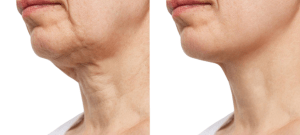
Neck Lift Surgery
A neck lift is an aesthetic surgical procedure performed to correct skin sagging and looseness in the neck caused by aging, genetic factors or weight loss. Over time the neck skin loses its elasticity, which can reduce the definition of the jawline and lead to wrinkles in the neck area.
In a neck lift, excess skin may be removed, the tissues beneath the skin may be reshaped and, where necessary, the neck muscles may be addressed. The aim is to define the transition between the jaw and the neck and to create a firmer, more balanced neck appearance.
Reasons for Neck Lift Surgery
The main reason for choosing a neck lift is skin sagging and tissue laxity in the neck area. As we age, the decrease in collagen and elastin in the skin can cause it to lose its firmness.
However, changes in the neck are not related to aging alone. Genetic traits, significant weight loss and long-term sun exposure can also affect the structure of the skin.
Excess skin under the chin, looseness in the neck muscles and more pronounced neck lines are among the conditions that lead people to consider the surgery.
In some people, sagging in the neck appears together with signs of aging in the lower face. In these cases, a neck lift can be planned together with additional procedures such as a facelift.
How Is Neck Lift Surgery Performed?
A neck lift is planned after an assessment of the patient’s general health and neck anatomy. During the pre-consultation, the skin structure, the amount of excess skin, the fatty tissue and the condition of the neck muscles are examined.
Before the surgery, the patient’s medications, chronic conditions and smoking habits are evaluated. Because smoking can negatively affect wound healing, quitting before surgery may be recommended. Adjusting medications that may increase the risk of bleeding should only be done under a doctor’s supervision.
The surgery is usually performed under general anesthesia. In some limited procedures, local anesthesia with sedation may also be preferred. The anesthesia method is determined according to the scope of the operation and the patient’s health.
The surgeon makes incisions in the necessary areas to reach the tissues beneath the skin. If the neck muscles are loose, tightening procedures for the platysma muscle may be applied. Excess fatty tissue may be removed or redistributed. The skin is then repositioned appropriately and the excess is removed.
The location of the incisions and the technique used vary according to the patient’s needs. In some operations, incisions are made around the ears and near the hairline, while an additional incision under the chin may be used when necessary.
After the operation, the patient is kept under observation for a while. The time of discharge is determined by the scope of the procedure and the patient’s general condition.
Who Is a Suitable Candidate?
A neck lift may be considered for people who are bothered by noticeable skin sagging, muscle laxity or loss of contour along the jawline.
Although it is generally preferred by people aged 40 and over, suitability for surgery does not depend on age alone. Sagging in the neck can also occur at younger ages because of genetic factors or excessive weight loss.
It is important to assess the general health of candidates. Conditions such as heart disease, uncontrolled diabetes, clotting disorders and serious respiratory problems can affect surgical risks.
Patients also need to have realistic expectations about the changes that can be achieved with surgery. A neck lift can reduce existing sagging, but it does not stop the aging process.
Suitability for surgery is determined after an examination by a specialist in plastic, reconstructive and aesthetic surgery.
Recovery After Neck Lift Surgery
After a neck lift, swelling, bruising, tenderness and a temporary feeling of tightness may be seen. The severity of these symptoms varies according to the surgical technique used and the patient’s healing characteristics.
In the first days, keeping the head elevated, resting and avoiding movements that strain the neck may be recommended. It is important to take the medications prescribed by the doctor regularly and to follow the wound care instructions.
Swelling and bruising may be more pronounced during the first 1–2 weeks of recovery. During this period the patient may need to limit daily activities.
Within about 2–4 weeks, a significant part of the swelling may subside and returning to daily life becomes easier. However, a longer wait may be needed before heavy exercise and intense physical activity.
Full healing of the neck tissues and the emergence of the final appearance may take several months. The maturation of scars at the incision sites may take even longer.
During follow-up appointments, wound healing, tissue condition and surgical results are assessed. The timing of suture removal and the removal of dressings is determined according to the technique used.
Possible Risks and Complications
Like other surgical procedures, a neck lift carries certain risks. Evaluating these risks before surgery is important for making an informed decision.
Bleeding and hematoma are among the complications that may be encountered after surgery. A collection of blood under the skin may require additional intervention in some cases.
Infection and wound healing problems can become more significant, especially in people who smoke or who have health conditions that affect healing.
Nerve damage is a rare but noteworthy complication. If the nerves in the neck and lower face are affected, temporary or permanent changes in movement or sensation may occur.
Asymmetry and contour irregularities are aesthetic problems that may arise after surgery. The neck may look different from what was expected, or there may be a noticeable difference between the two sides.
There are also risks such as anesthesia-related complications, prolonged swelling and noticeable scarring.
Symptoms such as sudden marked swelling, severe pain, difficulty breathing or unusual bleeding after surgery require urgent medical evaluation.
Benefits of Neck Lift Surgery
The main benefit of a neck lift is the reduction of excess skin and tissue laxity in the neck.
With surgery, the neck contour can be reshaped, the definition of the jawline can be increased and the appearance of sagging under the chin can be reduced.
In people with marked laxity in the neck muscles, repositioning the muscles aims to achieve a smoother appearance in the neck area.
Patients who are satisfied with the aesthetic results may experience increased self-confidence. However, the psychological effects of surgery vary from person to person, and no specific result can be guaranteed.
The results of a neck lift can last for many years. However, factors such as aging, genetic traits, weight changes and lifestyle can affect the appearance of the neck again over time.
Alternative Skin Rejuvenation Methods
Different non-surgical treatments may also be considered to address signs of aging in the neck. However, the effects of these methods differ from those of a surgical neck lift.
Botox and Filler Treatments
Botox may be used in suitable patients to reduce the appearance of certain muscle bands in the neck. Treatments targeting the platysma muscle in particular can provide limited improvement in the neck contour in certain cases.
Fillers may be used to correct volume deficiencies along the jawline and to support the facial contour. However, they do not eliminate marked skin sagging.
Laser Skin Rejuvenation
Laser treatments may be preferred to reduce the appearance of fine lines, spots and texture irregularities in the skin.
Methods such as fractional laser can support collagen production by stimulating the skin’s renewal process. However, they cannot replace surgical procedures in people with marked excess skin or muscle laxity.
Radiofrequency and Ultrasound Treatments
Radiofrequency and focused ultrasound technologies aim to stimulate collagen production and provide a limited degree of tightening by delivering energy to specific layers of the skin.
These treatments may be considered for people with mild to moderate skin laxity. However, the results can vary from person to person and are generally not as pronounced as those of a surgical neck lift.
The method to be chosen should be determined by a specialist physician according to the skin structure, the degree of sagging and the patient’s expectations.
Conclusion
A neck lift is an aesthetic surgical procedure performed to reduce sagging in the neck, remove excess skin and reshape the jaw–neck line.
Before deciding on surgery, the person’s general health, neck anatomy, expectations and alternative treatment options should be evaluated together. A detailed examination by an experienced plastic surgeon helps determine the appropriate surgical method and set realistic expectations.